Putting together the puzzle of your personal growth.

Evidence-based insights on health, habits, hormones, and long-term performance.

Small adjustments. Clear thinking. Sustainable progress.

Welcome to Last Pieces of the Day

Last Pieces of the Day is an educational project focused on understanding how habits, physiology, and daily decisions shape long-term well-being.

This space was created from a simple idea: lasting improvement doesn’t come from extremes — it comes from clarity, structure, and consistent action.

No shortcuts.
No exaggerated promises.
No “one-size-fits-all” solutions.


What You’ll Find Here

All content is organized around long-term well-being and sustainable improvement.

Health & Well-Being

Evidence-based discussions on physical and mental well-being, energy, sleep quality, stress management, and lifestyle factors that influence how we feel over time.
👉 Read more in the Health section.

Habits, Routine

Practical frameworks for building better habits, understanding behavioral patterns, and creating systems that support consistency.
👉 Explore articles on Habits & Routine.

Performance & Productivity

Mental clarity, focus, biological energy, and realistic productivity — without burnout or unrealistic standards.
👉 See the Productivity category.

Reviews & In-Depth Analysis

Carefully selected product reviews aligned with our editorial standards and long-term health perspective.

👉See the Reviews & In-Depth Analysis


Recent Posts Home
2026-02-25Introduction Hormonal changes are a natural part of aging. In women, the transition toward menopause involves gradual reductions in estrogen and progesterone levels, which may influence physical comfort, emotional well-being, and overall health. Female hormone replacement therapy (HRT) is one of the medical approaches sometimes considered to manage symptoms associated with this transition. Understanding how it works, its potential benefits, and its risks can help support informed discussions with healthcare professionals. What Happens During Menopause? Menopause is defined as the permanent cessation of menstrual cycles and typically occurs between ages 45 and 55. The years leading up to menopause (perimenopause) often involve fluctuating hormone levels. Common changes may include: Hot flashes and night sweats Sleep disturbances Mood changes Vaginal dryness Reduced bone density over time These changes are primarily related to declining estrogen levels, though progesterone and other hormones are also involved. What Is Hormone Replacement Therapy (HRT)? Hormone Replacement Therapy refers to medically supervised treatment that supplements hormones the body produces in lower amounts after menopause. HRT may include: Estrogen-only therapy (typically for women without a uterus) Combined estrogen and progesterone therapy Transdermal patches Oral tablets Topical or vaginal formulations The type and dosage depend on individual health history, symptoms, and risk profile. Potential Benefits of HRT For some women, HRT may help reduce: Frequency and intensity of hot flashes Night sweats Sleep disruption Vaginal discomfort Risk of osteoporosis-related bone loss When initiated appropriately and monitored carefully, therapy may improve quality of life during the menopausal transition. Risks and Clinical Considerations Like any medical treatment, HRT is not universally appropriate. Clinical discussions often consider: Personal and family history of cardiovascular disease Risk of blood clots Breast cancer risk factors Age at therapy initiation Time since menopause onset Research indicates that timing may influence risk profiles. Decisions are typically individualized rather than standardized. Is Testosterone Included in Female HRT? Although estrogen and progesterone are the primary hormones used in hormone replacement therapy, small doses of testosterone may sometimes be considered in specific cases, particularly when persistent low libido is clinically diagnosed. However, testosterone therapy in women is not routine and requires careful evaluation and monitoring. It differs significantly from male-focused protocols, which are discussed separately in our overview of clinical testosterone replacement therapy (TRT). In all cases, hormone therapy decisions should be individualized and based on a comprehensive medical assessment. Long-Term Health Perspective Menopause is a biological transition, not a medical condition. While some women seek medical support for symptom relief, others manage changes through lifestyle strategies such as: Regular physical activity Balanced nutrition Stress management Sleep optimization When symptoms significantly impact well-being, a structured medical evaluation can help determine whether hormone therapy or alternative strategies are appropriate. Educational Disclaimer This article is for educational and informational purposes only. It does not provide medical advice, diagnosis, or treatment. Individuals should consult a qualified healthcare professional for personalized guidance. About the Author Health & wellness content writer focused on educational topics related to hormonal balance, lifestyle habits, and long-term well-being. This content supports informed decision-making and health awareness. […] Read more…
2026-02-25Hormone levels naturally change over time. For men, testosterone plays a central role in energy, mood, muscle mass, bone density, and sexual health. In recent years, interest in testosterone replacement therapy (TRT) has grown significantly, with many men seeking answers about declining energy, reduced libido, and other age-related changes. At the same time, TRT remains one of the most debated topics in men’s health. Questions about safety, long-term effects, cardiovascular risk, fertility, and appropriate use are common. This comprehensive guide explains what testosterone does, who may be a candidate for hormone therapy, the potential benefits and risks, common myths, and whether TRT can be done safely under proper medical supervision. What Is Testosterone and Why Does It Matter? Testosterone is the primary male sex hormone. It is produced mainly in the testes and regulated by a signaling pathway involving the brain (hypothalamus and pituitary gland). Testosterone contributes to: Libido and sexual function Muscle mass and strength Bone density Red blood cell production Mood and motivation Cognitive function Fat distribution Levels typically peak in early adulthood and gradually decline with age. While some reduction is considered normal, significant deficiency can lead to noticeable symptoms. It is important to distinguish between natural age-related decline and clinically low testosterone (hypogonadism), which requires medical diagnosis. 🔎 Related: Understanding Testosterone and Age Men who want a deeper understanding of how testosterone naturally changes over time may benefit from exploring how age-related hormonal shifts impact energy, mood, and metabolic health. For a deeper breakdown of symptoms and long-term consequences of declining testosterone, read: 👉 Low Testosterone in Men: Causes, Symptoms, and Consequences What Is Testosterone Replacement Therapy (TRT)? Testosterone Replacement Therapy (TRT) is a medical treatment designed to restore testosterone levels in men who have been diagnosed with clinically low levels and related symptoms. TRT may be administered through: Intramuscular injections Subcutaneous injections Topical gels or creams Transdermal patches Long-acting implants Certain oral formulations (used selectively) The goal is not to create supraphysiological levels but to restore testosterone into a normal, healthy range under medical supervision. TRT is a prescription treatment and should only be initiated after appropriate laboratory testing and clinical evaluation. Who Is a Candidate for TRT? Not every man experiencing fatigue or low libido has low testosterone. Medical guidelines generally require: Persistent symptoms consistent with testosterone deficiency Confirmed low testosterone levels on blood tests (usually measured in the morning) Evaluation for underlying causes Conditions that may lead to low testosterone include: Primary hypogonadism (testicular dysfunction) Secondary hypogonadism (pituitary or hypothalamic issues) Certain chronic illnesses Obesity and metabolic disorders Long-term opioid use Genetic conditions A single borderline test result is typically not enough for diagnosis. Physicians usually repeat testing and assess free testosterone levels when appropriate. 🧪 Related: Symptoms vs. Lifestyle Factors Many symptoms associated with low testosterone — such as fatigue, reduced motivation, or changes in body composition — may also be influenced by sleep quality, metabolic health, and vascular function. Understanding how circulation and lifestyle patterns affect male vitality provides important context before pursuing medical intervention. 👉 Lifestyle Choices, Blood Flow, and Male Vitality 👉 What Really Improves Your Energy Without Going Extreme Potential Benefits of TRT When prescribed appropriately and monitored carefully, TRT may provide benefits for men with confirmed deficiency. 1. Improved Sexual Function Some men experience improvements in libido and erectile function when testosterone levels are restored to normal ranges. 2. Increased Energy Levels Low testosterone is sometimes associated with fatigue. Restoring levels may improve vitality in certain individuals. 3. Mood and Cognitive Effects Men with deficiency may report mood stabilization, reduced irritability, or improved mental clarity after treatment. 4. Muscle Mass and Body Composition Testosterone plays a role in muscle protein synthesis. TRT may support increased lean mass and reduced fat mass when combined with resistance training. 5. Bone Density Testosterone contributes to bone health. In men with deficiency, TRT may help improve bone mineral density over time. It is important to note that results vary. TRT is not a universal solution for aging-related changes and does not guarantee dramatic transformations. Risks and Possible Side Effects Like any medical therapy, TRT carries potential risks. Understanding these risks is essential before starting treatment. 1. Elevated Hematocrit Testosterone can increase red blood cell production. If levels rise too high, blood viscosity may increase, which requires monitoring. 2. Fertility Suppression Exogenous testosterone can suppress natural sperm production. Men who wish to preserve fertility should discuss alternatives with their physician. 3. Acne and Skin Changes Some men may experience oily skin or acne. 4. Fluid Retention Mild fluid retention can occur, especially early in therapy. 5. Sleep Apnea Exacerbation TRT may worsen untreated sleep apnea in susceptible individuals. 6. Cardiovascular Considerations Research on TRT and cardiovascular risk remains mixed. Some studies suggest neutral or beneficial effects when therapy is properly managed, while others indicate caution in men with pre-existing heart conditions. Careful medical evaluation is essential. 7. Prostate Health Current evidence does not show that TRT causes prostate cancer, but monitoring prostate-specific antigen (PSA) levels is standard practice during treatment. ⚖️ Related: Understanding the Broader Context of Male Hormonal Health Testosterone therapy is part of a larger discussion about male sexual health, circulation, and hormonal balance. A broader understanding of these factors helps avoid oversimplified conclusions. 👉 Blood Flow, Hormonal Balance, and Male Sexual Health 👉 Erectile Dysfunction: Medical and Lifestyle Causes Myths and Misconceptions About TRT Because testosterone therapy is widely discussed online, misinformation is common. Let’s address some frequent myths. Myth 1: TRT Is Just Legal Steroids Medical TRT aims to restore normal physiological levels, not to achieve supraphysiological enhancement. Anabolic steroid abuse involves much higher doses and different risk profiles. Myth 2: Every Man Over 40 Needs TRT Testosterone naturally declines with age, but not all men develop deficiency. Treatment is based on symptoms and lab-confirmed low levels, not age alone. Myth 3: TRT Causes Prostate Cancer Current medical evidence does not support the idea that TRT causes prostate cancer. However, monitoring remains important. Myth 4: Natural “Boosters” Work the Same as TRT Over-the-counter supplements are not equivalent to prescription testosterone therapy. While lifestyle adjustments may support hormonal balance, they do not replace medically indicated treatment. Can TRT Be Done Safely? TRT can be administered safely when: Proper diagnostic criteria are met Baseline blood work is performed Cardiovascular risk is assessed PSA levels are monitored Hematocrit levels are checked regularly Dosages are individualized Ongoing follow-up is maintained Safety largely depends on appropriate medical supervision and individualized treatment planning. Self-administration without supervision, excessive dosing, or obtaining hormones outside legitimate medical channels significantly increases risk. Lifestyle Strategies Before Considering TRT Before initiating hormone therapy, physicians often evaluate modifiable factors that influence testosterone levels. Sleep Chronic sleep deprivation may reduce testosterone production. Improving sleep hygiene can support hormonal health. Body Composition Excess body fat, particularly visceral fat, is associated with lower testosterone levels. Weight management can sometimes improve hormonal balance. Resistance Training Strength training is associated with positive hormonal responses and improved metabolic health. Stress Management Chronic stress affects multiple hormonal pathways. Addressing stress may support overall well-being. Nutritional Status Balanced nutrition that supports metabolic and cardiovascular health contributes to overall hormonal regulation. Some individuals explore additional wellness strategies aimed at supporting energy, circulation, and metabolic health before considering medical therapy. These approaches are generally discussed as complementary to — not replacements for — professional medical evaluation. 🌿 Related: Supporting Hormonal Health Through Lifestyle Before initiating medical therapy, some individuals choose to explore foundational approaches that support metabolic function, vascular health, sleep quality, and overall vitality. While these strategies are not substitutes for clinically indicated treatment, they may contribute to broader well-being. Topics often discussed include: Circulatory efficiency and vascular health Sleep optimization Energy metabolism Long-term lifestyle habits For additional context, see: 👉 Improve Energy Naturally 👉 Lifestyle Choices, Blood Flow, and Male Vitality 👉 Understanding Erectile Dysfunction When to Speak With a Healthcare Professional You should consider medical evaluation if you experience: Persistent fatigue Reduced libido Decreased muscle mass Mood changes Difficulty concentrating Unexplained loss of strength Reduced bone density A healthcare provider can determine whether symptoms are related to testosterone levels, another medical condition, or lifestyle factors. Hormone therapy should never be started without proper diagnostic testing and consultation. Long-Term Considerations TRT is often a long-term commitment. Once therapy suppresses natural production, discontinuation may lead to temporary hormonal imbalance while the body attempts to resume its own production. Men considering TRT should understand: It may require ongoing monitoring It may affect fertility It is not a short-term performance enhancer It should be approached as medical therapy, not lifestyle optimization Clear expectations are essential. Final Thoughts Testosterone Replacement Therapy can be a valuable medical treatment for men with confirmed testosterone deficiency and persistent symptoms. However, it is not a universal solution for aging, fatigue, or lifestyle-related concerns. When appropriately prescribed and carefully monitored, TRT can be administered safely. The decision to begin therapy should be made in partnership with a qualified healthcare professional after thorough evaluation and discussion of risks and benefits. Understanding the difference between medically indicated treatment and generalized wellness trends is key to making informed decisions about long-term health. Educational Disclaimer This article is intended for informational and educational purposes only. It does not constitute medical advice, diagnosis, or treatment. Individuals should consult a qualified healthcare professional for personalized medical guidance regarding hormone levels or treatment options. […] Read more…
2026-02-18Understanding Menopause, Andropause, and the Biology of Energy Decline Introduction: Hormonal Aging Is Not a Disorder — It’s a Transition After 40, many people begin noticing subtle but persistent changes: Lower energy Slower recovery Sleep disturbances Mood fluctuations Shifts in body composition These changes are often blamed on “getting older.”But aging itself is not the root cause. What changes most dramatically after 40 is hormonal regulation. Men and women both experience hormonal aging — but the pattern, intensity, and symptoms differ significantly. Understanding these differences allows for realistic expectations and more informed decisions. What Happens to Women: The Menopause Transition In women, hormonal aging follows a relatively defined path. Menopause marks the end of reproductive function and is characterized by a significant decline in: Estrogen Progesterone Unlike gradual aging, menopause is a biological transition with clear endocrine shifts. You can explore the full physiological process in our complete guide to menopause. Estrogen’s Systemic Role Estrogen is not only a reproductive hormone. It influences: Mitochondrial energy production Brain neurotransmitters (serotonin, dopamine) Bone density Fat distribution Sleep regulation When estrogen declines, the impact is systemic. Common symptoms include: Hot flashes Night sweats Brain fog Emotional sensitivity Persistent fatigue Low energy during menopause is particularly common, often linked to sleep disruption and metabolic changes. We examine this in detail in our article on menopause and low energy. Menopause is not a disease — but it is a biological recalibration. What Happens to Men: The Gradual Decline of Testosterone Men do not experience a sudden hormonal event equivalent to menopause. Instead, testosterone levels tend to decline gradually after 30–40. This process is often referred to as andropause, though it is less abrupt and less universal than menopause. Testosterone influences: Muscle mass Libido Red blood cell production Motivation Cognitive drive As levels decrease, some men experience: Reduced energy Lower libido Mood changes Increased abdominal fat Decreased physical performance We explore the causes and systemic consequences of low testosterone in men in detail here. Unlike menopause, which represents a clear hormonal threshold, testosterone decline is variable and influenced by lifestyle, sleep, and metabolic health. Similarities in Hormonal Aging After 40 Despite biological differences, men and women share several patterns during hormonal aging. 1️⃣ Energy Instability Both may experience: Afternoon crashes Lower stamina Slower recovery Energy regulation is tightly connected to hormone signaling, sleep quality, and stress adaptation. If you’re looking to improve energy naturally without extreme measures, we discuss sustainable approaches in this article. 2️⃣ Sleep Disruption Hormonal changes often disturb circadian rhythms. In women: Night sweats fragment deep sleep. In men: Lower testosterone and stress may affect sleep quality. Poor sleep then amplifies fatigue and emotional instability. We explore why sleep quality declines with age — and how to address it — in this breakdown. 3️⃣ Metabolic Shift After 40: Muscle mass declines without resistance training. Insulin sensitivity may decrease. Fat storage patterns change. Hormones influence metabolism — and metabolism influences hormones. This bidirectional relationship explains why lifestyle becomes more impactful in midlife. Key Differences: Abrupt vs Gradual Transition The main difference between menopause and male hormonal aging is tempo. Women: Experience a relatively defined hormonal drop. Symptoms may appear intensely over a few years. Men: Experience a gradual decline. Symptoms may develop subtly over decades. Because menopause is more abrupt, symptoms are often more noticeable. Male hormonal decline, on the other hand, is often overlooked — attributed to stress or aging rather than endocrine shifts. The Systems Perspective: Hormones Do Not Operate Alone Hormonal aging is not isolated. It interacts with: Stress (cortisol regulation) Sleep quality Muscle mass Nutrition Inflammation Psychological resilience This is why quick fixes rarely produce sustainable results. Instead, long-term vitality depends on: Resistance training Protein intake Sleep structure Stress management Evidence-informed supplementation For women navigating menopausal symptoms and energy instability, some natural menopause support formulas are designed to focus on hormonal balance and daily comfort. If you’re interested in exploring a botanical-based menopause support option, you can learn more here. Emotional and Psychological Dimensions Hormonal aging is not purely physical. Neurotransmitters influenced by estrogen and testosterone affect: Confidence Drive Emotional regulation Cognitive clarity Midlife is often misinterpreted as psychological decline when, in many cases, it reflects biological transition. Understanding this reduces unnecessary self-blame. Hormonal Aging Is Inevitable — Decline Is Not Hormonal aging cannot be stopped. But its impact can be influenced. Men and women who: Maintain muscle mass Protect sleep Regulate stress Support nutritional adequacy Often experience greater stability during midlife transitions. Hormones set the framework.Lifestyle shapes the outcome. Final Thoughts Menopause and andropause are not mirror events — but they are part of the same broader phenomenon: hormonal aging. Understanding the biological differences between men and women allows for more informed expectations and structured responses. Hormonal change is universal.Chronic depletion is not. Midlife is not the beginning of decline — it is the beginning of adaptation. Transparency & Affiliate Disclosure This article may contain affiliate links. If you choose to purchase through these links, Last Pieces of the Day may earn a commission at no additional cost to you. Content is provided for informational purposes only and should not be considered medical advice. Always consult a qualified healthcare professional before making health-related decisions. Learn more about our transparency and disclaimer policy here. […] Read more…
2026-02-17Introduction Low energy is one of the most reported — and least discussed — symptoms of menopause. While hot flashes and mood swings receive most of the attention, persistent fatigue often becomes the symptom that quietly affects daily performance, motivation, and overall quality of life. Understanding why energy declines during menopause requires looking at hormonal shifts, sleep disruption, metabolism, and stress response as part of an integrated biological system. For a broader overview of the menopausal transition and what to expect physically and emotionally, you can read our complete guide to menopause here. Why Energy Levels Drop During Menopause Menopause is marked by a decline in estrogen and progesterone. These hormones do far more than regulate reproduction. Estrogen, in particular, plays a role in: Mitochondrial function (cellular energy production) Glucose metabolism Neurotransmitter balance Sleep regulation Mood stability As levels fluctuate and eventually decline, many women experience: Persistent fatigue Reduced physical stamina Brain fog Lower motivation Increased recovery time after exertion This is not simply “aging.” It is a hormonal transition affecting multiple systems simultaneously. Hormonal transitions are not exclusive to women. Men experience their own biological shifts over time. We discuss the hormonal changes in men and their systemic impact in this article. The Sleep–Hormone–Energy Connection One of the most overlooked drivers of menopausal fatigue is sleep disruption. Hot flashes and night sweats can fragment sleep cycles, reducing deep restorative sleep. At the same time, cortisol regulation may shift, affecting morning alertness and evening wind-down patterns. Poor sleep leads to: Impaired glucose regulation Higher inflammation markers Reduced cognitive performance Increased emotional sensitivity Fatigue, therefore, is often a downstream effect of hormonal and circadian rhythm disruption. Sleep disruption is one of the most underestimated drivers of menopausal fatigue. If you want to understand why sleep quality declines and how to address it effectively, you can read our full breakdown here. Metabolic Changes After 40 After 40, muscle mass naturally declines if not actively maintained. Since muscle tissue is metabolically active, this reduction impacts baseline energy expenditure and physical vitality. In menopause, this process may accelerate due to: Lower estrogen Reduced insulin sensitivity Increased central fat storage The result is a perceived loss of vitality — even in women who maintain healthy habits. Supporting energy during menopause requires more than quick fixes. Sustainable habits play a critical role in long-term vitality. We explore evidence-based strategies to improve energy naturally in this detailed guide. Brain Fog and Neurochemical Shifts Estrogen influences serotonin and dopamine pathways. When levels fluctuate, women may experience: Mental fatigue Reduced focus Memory lapses Emotional flattening This cognitive fatigue often feels different from physical tiredness — it is more subtle but equally disruptive. What Science Suggests for Supporting Energy During Menopause Research consistently points toward lifestyle interventions as first-line support: 1. Resistance Training Maintains muscle mass and metabolic health. 2. Protein Intake Supports muscle preservation and satiety. 3. Sleep Hygiene Regular sleep schedule and temperature regulation strategies. 4. Stress Management Lowering chronic cortisol burden supports hormonal balance. 5. Nutritional and Botanical Support Certain plant compounds and adaptogens are being explored for their potential to support hormonal balance and daily vitality during menopausal transition. If you’re looking for a natural option that focuses on symptom relief, hormonal support, and daily comfort, you can learn more about a menopause support supplement here. Some menopause support formulas combine botanical extracts and adaptogenic ingredients designed to work alongside the body’s natural transition — without synthetic hormones — offering a complementary approach for women seeking additional support. Menopause, Energy, and Long-Term Health Menopause is not merely a reproductive milestone. It is a systemic transition that influences metabolism, brain function, and resilience. When fatigue is addressed through a combination of lifestyle structure and informed support, many women report improved stability, clarity, and sustainable energy. Understanding the science behind these changes allows for realistic expectations — and practical strategies. Final Thoughts Low energy during menopause is not weakness. It is biology adjusting. With awareness, structure, and evidence-informed decisions, women can navigate this phase with stability rather than depletion. Hormonal change is inevitable.Energy decline is not always permanent. […] Read more…
2025-12-26Lifestyle choices play a significant role in overall health, including blood circulation, energy levels, and male vitality. While genetics and age influence health outcomes, daily habits often shape long-term physical and mental well-being. This article explores how common lifestyle factors may affect blood flow and male vitality from an educational and informational perspective. 👉 The Complete Guide to Male Sexual Health The Importance of Blood Flow for Overall Health Healthy blood circulation is essential for delivering oxygen and nutrients throughout the body. Proper blood flow supports cardiovascular function, energy levels, cognitive clarity, and physical responsiveness. When circulation is compromised, multiple body systems may be affected, highlighting the importance of habits that support vascular health. Physical Activity and Circulation Regular physical activity helps maintain healthy blood vessels and supports cardiovascular efficiency. Movement and Vascular Health Exercise encourages blood vessel flexibility and improves oxygen delivery. Even moderate activities such as walking or stretching can contribute positively over time. Sedentary Lifestyle Considerations Extended periods of inactivity may reduce circulation efficiency and impact overall vitality, particularly when combined with other lifestyle factors. 👉 Erectile Dysfunction: Medical Causes vs Lifestyle Factors Nutrition and Vascular Support Dietary patterns influence metabolic health and circulation. Balanced Nutrition Nutrient-rich foods that support heart health may indirectly contribute to better circulation. Diets emphasizing whole foods, fiber, and essential nutrients are often associated with long-term wellness. Processed Foods and Health Highly processed diets may affect metabolic balance and vascular health when consumed excessively over time. Sleep, Recovery, and Hormonal Balance Sleep plays a crucial role in physical recovery and hormonal regulation. Sleep Quality Consistent, restorative sleep supports cardiovascular function, mental clarity, and energy levels. Sleep Deprivation Effects Chronic sleep deprivation may influence stress hormones and overall health, potentially affecting circulation and vitality. Stress Management and Mental Well-Being Mental health and physical health are closely connected. Chronic Stress Long-term stress can affect hormone regulation and cardiovascular function, influencing overall vitality. Relaxation and Balance Incorporating stress-management techniques may support both mental well-being and physical health. Alcohol, Smoking, and Lifestyle Impact Certain lifestyle habits can influence circulation. Excessive alcohol consumption may affect vascular health. Smoking is widely associated with reduced circulation and overall health challenges. Reducing or avoiding these habits may support long-term well-being. Long-Term Lifestyle Considerations Lifestyle choices rarely act in isolation. A combination of physical activity, balanced nutrition, quality sleep, and stress management contributes to overall health and vitality. Small, consistent changes often have a greater long-term impact than short-term adjustments. Educational Disclaimer This content is intended for educational purposes only and does not replace professional medical advice. Individuals should consult qualified healthcare professionals for personalized health guidance. About the Author Health & wellness content writer focused on educational topics related to lifestyle habits, circulation, and overall well-being.This content supports health awareness and informed decision-making. […] Read more…
2025-12-26Erectile dysfunction (ED) is a common condition that can affect men at different stages of life. Rather than being a single problem, it is often the result of a combination of medical, psychological, and lifestyle-related factors. This article provides educational, non-commercial information to help readers understand the differences between medical causes and lifestyle influences related to erectile dysfunction. 👉 The Complete Guide to Male Sexual Health Understanding Erectile Dysfunction Erectile dysfunction refers to the persistent difficulty in achieving or maintaining an erection sufficient for sexual activity. Occasional changes are common and may not indicate a health issue, but ongoing difficulties can signal underlying factors that deserve attention. ED is often linked to overall health rather than isolated sexual function. Circulatory and Cardiovascular Factors Healthy blood circulation plays a key role in erectile function. Conditions that affect the cardiovascular system may also influence sexual health. Blood Flow and Vascular Health Reduced blood flow can limit the physical processes involved in erectile response. Factors such as high blood pressure, arterial stiffness, and cholesterol imbalance may contribute to circulatory challenges. 👉 How lifestyle choices affect blood flow and male vitality Heart Health Connection Because blood vessels throughout the body function similarly, erectile difficulties may sometimes reflect broader cardiovascular health considerations. Hormonal Balance and Testosterone Hormones influence energy levels, mood, and sexual interest. Testosterone, in particular, plays a role in male sexual health. Natural Hormonal Changes Hormone levels naturally change with age. Sleep quality, stress levels, and overall health can also affect hormonal balance. Hormones and Sexual Response When hormonal balance shifts, it may influence desire and physical responsiveness, though experiences vary between individuals. Stress, Anxiety, and Mental Health Psychological factors are closely connected to physical responses. Performance Anxiety Concerns about sexual performance can create a cycle of stress that interferes with normal function. Chronic Stress Long-term stress may influence hormone regulation, sleep, and cardiovascular health, indirectly affecting sexual well-being. Daily Habits That May Contribute Lifestyle habits can influence sexual health over time. Physical Activity Regular exercise supports circulation, metabolic health, and stress management. Sleep and Recovery Adequate sleep is essential for hormonal regulation and mental clarity. Alcohol and Smoking Excessive alcohol intake and smoking are known to affect overall health and may influence erectile function over time. Long-Term Health Considerations Erectile dysfunction can sometimes be associated with broader health conditions such as diabetes, cardiovascular disease, or metabolic disorders. Because these conditions affect circulation, nerve function, and hormonal balance, addressing overall health often supports long-term well-being. Early awareness and healthy lifestyle choices may play an important role in maintaining quality of life. When symptoms persist despite lifestyle improvements, a comprehensive clinical TRT evaluation may help determine whether hormonal factors are contributing, alongside other underlying medical considerations. Educational Disclaimer This article is for educational and informational purposes only. It does not provide medical advice, diagnosis, or treatment. Individuals should consult a qualified healthcare professional for personalized guidance. This content is part of our health education initiative. Learn more about our editorial guidelines and transparency policy. About the Author Health & wellness content writer focused on educational topics related to male health, lifestyle habits, and well-being.This content is intended to support health awareness and informed decision-making. […] Read more…
2025-12-26Male sexual health is an important part of overall well-being and quality of life. It is influenced by a complex combination of physical, psychological, and lifestyle factors that change naturally over time. Understanding these elements can help individuals make informed decisions and adopt healthier habits. This guide provides educational, non-commercial information about male sexual health, focusing on common causes, daily habits, and long-term lifestyle considerations. What Is Male Sexual Health? Male sexual health refers to the proper functioning of physical, hormonal, emotional, and psychological systems involved in sexual activity. It includes aspects such as desire, arousal, circulation, nerve function, and mental well-being. Rather than being a single condition, sexual health exists on a spectrum and can vary depending on age, stress levels, health conditions, and lifestyle choices. Common Physical Causes Affecting Sexual Performance Several physical factors can influence male sexual health. These factors are often connected to overall cardiovascular and metabolic health. Circulatory Health Adequate blood flow is essential for normal sexual function. Conditions that affect circulation—such as high blood pressure, high cholesterol, or reduced vascular elasticity—may interfere with normal physiological responses. Readers interested in circulation-related factors may want to explore how blood flow influences male energy levels and overall vitality in more detail. Hormonal Balance Hormones, particularly testosterone, play a role in energy levels, mood, and sexual interest. Hormonal levels naturally fluctuate with age and may also be influenced by sleep quality, stress, and general health. Nervous System Function Healthy nerve signaling is required for proper physical response. Certain medical conditions or long-term health issues may affect nerve sensitivity and communication. Psychological and Emotional Factors Mental and emotional health plays a significant role in sexual well-being. Stress and Anxiety Chronic stress activates hormonal responses that may interfere with normal bodily functions. Performance anxiety and persistent worry can further amplify these effects. Emotional Well-Being Emotional connection, self-confidence, and mental clarity are closely linked to overall sexual health. Mood disorders or prolonged emotional strain can influence interest and performance. Lifestyle Habits That Impact Blood Flow and Hormones Daily habits have a cumulative effect on long-term health, including sexual well-being. Physical Activity Regular movement supports circulation, cardiovascular health, and hormonal balance. Sedentary lifestyles may contribute to reduced energy levels over time. Nutrition Balanced dietary patterns that support heart health and metabolic function can indirectly benefit sexual health. Diets high in processed foods and low in nutrients may have the opposite effect. Sleep Quality Sleep is essential for hormonal regulation, recovery, and mental clarity. Consistent sleep deprivation can negatively impact multiple body systems. Alcohol and Smoking Excessive alcohol consumption and smoking are known to affect circulation and overall health, which may influence sexual function over time. Age, Health Conditions, and Natural Changes As men age, natural physiological changes occur. These changes do not necessarily indicate a health problem but may require lifestyle adjustments. Chronic health conditions such as cardiovascular disease, diabetes, or metabolic disorders may also influence sexual health. Managing overall health often plays a key role in maintaining long-term well-being. When to Seek Professional Guidance Persistent or sudden changes in sexual function should not be ignored. Consulting a qualified healthcare professional can help identify underlying causes and provide personalized guidance. Professional evaluation is especially important when symptoms are accompanied by fatigue, mood changes, or other health concerns. Educational Disclaimer This content is intended for educational and informational purposes only. It does not constitute medical advice, diagnosis, or treatment. Individuals should consult a qualified healthcare professional for personalized medical guidance. About the Author Health & wellness content writer focused on educational topics related to male health, lifestyle habits, and overall well-being.This content is created to inform readers and support general health awareness. […] Read more…
2025-12-24🟦 Introdução Male sexual health depends on several biological systems working together. Among the most important are healthy blood circulation and balanced hormone levels. When these systems function properly, they support overall well-being and normal sexual response. Understanding how these factors interact can help individuals make informed decisions about their health. 🟦 The Importance of Blood Flow Adequate blood circulation plays a central role in male sexual function. Blood flow supports the physiological processes involved in erectile response and overall cardiovascular health. Conditions that affect circulation, such as high blood pressure or vascular issues, may influence sexual performance. Maintaining heart health is often associated with better overall physical well-being. 🟦 Hormonal Balance and Its Role Hormones, particularly testosterone, play an important role in energy levels, libido, mood regulation, and overall metabolic health. Hormonal balance can be influenced by age, chronic stress, sleep quality, lifestyle factors, and certain medical conditions. Gradual hormonal changes are a natural part of aging. However, when symptoms become persistent or significantly impact quality of life, seeking professional assessment may be beneficial. In some cases, a comprehensive clinical TRT evaluation can help determine whether symptoms are related to testosterone levels or other underlying health factors. 🟦 The Impact of Stress and Mental Health Mental and emotional health also affect physical systems. Chronic stress and anxiety can influence hormonal regulation and blood circulation, indirectly impacting sexual health. Practices that support emotional well-being may contribute positively to overall health. 🟦 Supporting Overall Well-Being General wellness habits that support hormonal and circulatory health include regular physical activity, balanced nutrition, adequate sleep, and effective stress management. Some men choose to learn more about how non-prescription, plant-based supplements are commonly discussed in the context of circulation and overall male wellness as part of a broader lifestyle approach.. Some individuals choose to explore additional wellness strategies as part of a broader lifestyle approach, but foundational habits remain the most consistently supported factors in maintaining long-term well-being. 🟦 Final Thoughts Male sexual health is influenced by a combination of physical and emotional factors. Reliable information and healthy lifestyle habits play an important role in maintaining overall well-being. This content is for informational purposes only and does not replace professional medical advice. […] Read more…
2025-12-24Introduction Erectile dysfunction (ED) is a common condition that affects millions of men worldwide and can occur at different stages of life. Although it is often associated with aging, ED is not an inevitable part of getting older. In many cases, it reflects a combination of physical, psychological, and lifestyle-related factors that influence sexual function and overall health. Understanding erectile dysfunction requires looking beyond symptoms alone and considering how vascular health, hormonal balance, mental well-being, and daily habits interact over time. How Erections Work: A Brief Overview An erection is a complex physiological process involving the nervous system, blood vessels, hormones, and psychological signals. Sexual stimulation triggers nerve responses that increase blood flow to penile tissue, allowing it to become firm and sustained. Disruptions in any part of this process — circulation, nerve signaling, hormone levels, or mental focus — may contribute to erectile difficulties. Common Medical Causes of Erectile Dysfunction Erectile dysfunction may be associated with several underlying medical conditions, including: Cardiovascular disease, which can impair blood flow Diabetes, affecting both circulation and nerve function Hormonal imbalances, such as low testosterone Neurological conditions, including nerve damage Side effects of certain medications, such as blood pressure or antidepressant drugs In many cases, ED serves as an early indicator of broader health issues, particularly those related to vascular function. Psychological and Emotional Factors Mental and emotional health plays a significant role in sexual performance. Factors that may contribute include: Chronic stress Anxiety or performance pressure Depression Relationship concerns Psychological contributors can exist independently or alongside physical causes, making ED a multifactorial condition rather than a purely physical issue. Lifestyle Factors That May Contribute Daily habits can significantly influence erectile function and overall vitality. Factors commonly associated with increased risk include: Smoking Excessive alcohol consumption Sedentary lifestyle Poor sleep quality Chronic stress and burnout While lifestyle changes alone may not resolve all cases of ED, healthier routines are often associated with improved cardiovascular health, energy levels, and general well-being. Supporting Daily Wellness & Energy In addition to lifestyle adjustments, some men explore daily wellness supplements as part of their routine. Certain plant-based formulations are commonly discussed in men’s health conversations, particularly those focused on circulation, energy levels, and general vitality. One example often mentioned in this context is RedBoost, a supplement discussed in relation to daily energy and wellness habits — not as a medical treatment, but as part of broader lifestyle considerations. 👉 Read an informational overview of RedBoost here. Age, Hormones, and Male Health Changes As men age, gradual hormonal shifts — including declining testosterone levels — may influence sexual function, energy, and mood. These changes vary widely between individuals and are influenced by genetics, lifestyle, and overall health. It is important to note that hormonal changes are only one piece of a larger health picture and do not fully explain erectile dysfunction on their own. When to Seek Professional Guidance If erectile dysfunction: Persists for several weeks Occurs frequently Appears suddenly Is accompanied by other symptoms such as fatigue, pain, or mood changes It may be appropriate to consult a qualified healthcare professional. A medical evaluation can help identify potential underlying causes and determine appropriate next steps. Final Considerations Erectile dysfunction is a health-related condition that should be approached with accurate information and professional support. Understanding its potential causes — medical, psychological, and lifestyle-related — is an important step toward informed decision-making and overall health awareness. 📌 This content is for informational purposes only and does not replace professional medical advice, diagnosis, or treatment. […] Read more…
2025-12-15Most productivity advice sounds logical on the surface.Wake up earlier. Plan your day. Eliminate distractions. Work harder. Yet many people follow these tips faithfully and still feel stuck, exhausted, and inconsistent. The problem isn’t discipline.The problem is that most productivity advice ignores energy. Productivity Is Not a Time Problem Traditional productivity frameworks assume one thing:that your energy is stable throughout the day. It isn’t. You don’t have the same mental clarity at 8 a.m. as you do at 3 p.m.Your focus, motivation, and decision-making fluctuate constantly. When advice treats all hours as equal, it sets you up to fail. You can manage time perfectly and still perform poorly if your energy is depleted. Energy Comes Before Discipline Discipline is often praised as the ultimate solution.But discipline without energy becomes force. And force is unsustainable. Think about the days when productivity feels effortless.You don’t need motivation tricks.You don’t need willpower hacks. You simply have enough physical and mental energy. Energy doesn’t replace discipline — it enables it. The Hidden Cost of Ignoring Energy When energy is ignored, people blame themselves. They think: “I’m lazy.” “I lack consistency.” “I need a better system.” In reality, they’re often operating in a chronic state of low energy caused by: Poor sleep Constant cognitive overload No recovery time Unbalanced routines No productivity system can compensate for that long-term. Energy-Aware Productivity Works Differently Productivity becomes sustainable when it adapts to your energy, not the other way around. This means: Scheduling demanding tasks when your mental energy is highest Allowing recovery instead of pushing endlessly Designing routines that support focus instead of draining it It’s less about doing more — and more about doing what matters when you’re capable of doing it well. Why Simpler Systems Often Win Many people fail not because systems are too simple, but because they’re too complex. Energy-aware productivity favors: Fewer priorities Clear boundaries Realistic expectations When your energy improves, consistency follows naturally. Not perfectly.But sustainably. Some people explore adjustments to daily routines, nutrition, and overall energy management as part of a broader approach to productivity. Content discussing daily energy and wellness routines may be useful for those interested. Rethinking What “Productive” Really Means Productivity isn’t about squeezing output from every hour of the day.It’s about creating conditions where meaningful work can happen regularly. That requires respecting your limits — not fighting them. When energy becomes the foundation, productivity stops feeling like a constant battle. And starts feeling like progress again. 👉 If you want to understand how daily habits influence your energy levels, read:What Really Improves Your Energy? (Without Going Extreme) […] Read more…
2025-12-15You go to bed at a reasonable hour.You sleep seven or eight hours.And yet, you wake up feeling tired — sometimes even more drained than the night before. If this sounds familiar, you’re not alone. Many people assume that poor energy is always a sleep problem. But the truth is more nuanced. Sleep matters, of course, but it’s only one piece of a much larger puzzle. Feeling constantly tired despite “doing the right things” is often a sign that something deeper is being overlooked. And the good news is that fixing it usually doesn’t require extreme routines, biohacks, or drastic lifestyle changes. It starts with understanding what rest really means. Sleeping More Doesn’t Always Mean Feeling Rested Sleep duration is easy to measure. You can track it with an app or a smartwatch. But sleep quality — and how your body actually recovers — is much harder to see. You can spend eight hours in bed and still: Wake up mentally foggy Feel physically heavy Struggle to focus during the day This happens because rest is not just about being unconscious. It’s about whether your nervous system truly downshifts during the night. If your mind stays overstimulated, worried, or tense, your body may never fully enter deep recovery mode — even if you technically “slept enough.” The Difference Between Physical Rest and Mental Recovery One of the most overlooked aspects of energy is mental load. You might be resting physically while your mind is still: Processing unfinished tasks Replaying conversations Anticipating future problems Constantly switching attention This kind of background mental activity keeps stress hormones slightly elevated. Over time, it creates a state where you’re never fully rested — just temporarily paused. That’s why many people feel tired not because they do too much, but because their minds never get a real break. Mental recovery requires moments of: Low stimulation Predictability Calm focus or intentional disengagement Without that, sleep becomes shallow and energy slowly erodes. How Daily Habits Quietly Drain Your Energy Energy loss rarely comes from one big mistake. It’s usually the result of small, repeated habits that seem harmless on their own. Some common examples: Constantly checking notifications Working without clear stopping points Skipping meals or eating inconsistently Relying heavily on caffeine to “push through” Never fully disconnecting from work or information None of these habits are dramatic. But together, they keep your system in a state of low-level stress. Over time, this creates a cycle:low energy → lower motivation → more effort → more exhaustion. And the harder you push, the worse it gets. Stress, Focus, and the Energy–Motivation Loop Many people think motivation comes first, and energy follows. In reality, it’s often the opposite. When energy drops: Focus becomes harder Tasks feel heavier than they should Discipline feels forced Motivation disappears This is why “just be more disciplined” advice often fails. You can’t consistently outwork a depleted system. Chronic tiredness isn’t a character flaw. It’s usually a signal — one that something in your daily rhythm isn’t aligned with how your body and mind actually function. The key is not doing more, but doing less — more intentionally. What Actually Helps (Without Going Extreme) Improving energy doesn’t require a perfect routine. It requires removing friction and supporting recovery in realistic ways. Here are a few approaches that consistently help: 1. Create a clear mental shutdown Before bed, write down: What’s done What can wait What you’ll handle tomorrow This simple act signals to your brain that it doesn’t need to stay alert all night. 2. Reduce stimulation before sleep Lower light, fewer screens, calmer input.Not because screens are “evil,” but because your nervous system needs contrast between day and night. 3. Stabilize your daily rhythm Consistent wake-up times, regular meals, and predictable breaks help your body regulate energy naturally. 4. Stop chasing constant optimization You don’t need to optimize everything.Energy improves when your system feels safe, predictable, and supported — not pressured. Small, boring improvements done consistently outperform extreme strategies every time. Final Thoughts If you’re tired even when you sleep well, it doesn’t mean you’re broken — and it doesn’t mean you’re lazy. It usually means your system hasn’t been given the conditions it needs to recover fully. Energy isn’t something you force.It’s something you allow to return when friction is removed. Start small. Stay consistent.And remember: feeling better often begins by doing less, not more. In persistent cases linked to hormonal deficiency, medical therapies such as TRT may be evaluated. […] Read more…
2025-12-12Most people believe they sleep “okay enough.”But when you look at the data — and the long-term effects — the truth is unsettling: More than 40% of adults consistently sleep poorly, and most don’t realize how deeply it affects their mood, focus, energy, metabolism, and overall well-being. This article explains why your sleep might be worse than you think, the hidden habits that silently sabotage your rest, and the science-backed steps that can help you get genuinely restorative sleep again. 1. You Think You Sleep 7 Hours — But You Don’t Most adults overestimate their sleep by 45–60 minutes. Why? Because your brain counts time in bed as time sleeping — but those aren’t the same thing. You lose sleep time through: falling asleep slowly waking up during the night light sleep instead of deep sleep early-morning micro-awakenings you don’t remember If you’re in bed for eight hours, you may actually sleep 6 hours or less. And that difference affects everything: cognitive function, metabolism, mood, recovery, memory, and energy. What to do:Create a consistent bedtime window — the brain loves regularity — and track your sleep for a week (your phone’s basic data is enough). Awareness creates the first breakthrough. 2. Your Bedroom Environment Is Probably Working Against You Sleep is highly sensitive to surroundings.Even small disruptions can reduce both sleep duration and quality. Most common hidden enemies: Light leakage (hall light, electronics, street lamps) Bedroom temperature too high Noise peaks you don’t consciously notice Mattress or pillow discomfort Air quality and humidity Ideal sleep conditions: Pitch-black darkness Cool temperature (18–20°C) Low noise or consistent white noise Comfortable bedding that supports your body Minimal electronics Your bedroom should do one thing:Help your brain switch into deep rest mode. 3. Your Circadian Rhythm Is Out of Sync Your body runs on a 24-hour internal clock. When this rhythm is disrupted, even good habits don’t work well. You may feel the impact if: you sleep and wake at inconsistent times you use screens until late you miss morning sunlight you eat late at night you drink caffeine afternoon or evening These factors make your brain release melatonin too late, delaying your natural sleep process. The fix: Get 5–10 minutes of morning light every day. Keep sleep/wake times within a 1-hour range. Dim lights 1–2 hours before bed. Avoid caffeine 8 hours before sleep. Small consistency → big gains. 4. You Confuse “Tired Body” With “Tired Mind” Many people feel exhausted, but not sleepy.That’s because mental fatigue ≠ biological sleepiness. You may recognize this: your mind races you feel wired even when physically tired you can’t shut down thoughts at night Mental exhaustion comes from overstimulation and stress, not lack of sleep. Solution:Create a pre-sleep shutdown ritual: low light warm shower stretching reading journaling avoiding screens choosing slow activities that quiet the mind Your body needs signals that “the day is ending.” 5. You Don’t Realize How Much Food and Drinks Affect Sleep Late-night eating disrupts: digestion heart rate body temperature melatonin release Sugary foods or heavy meals delay sleep by up to 90 minutes. Caffeine is a huge culprit — especially hidden caffeine in: chocolate teas supplements “decaf” coffee (which still contains caffeine) And alcohol, although it makes you fall asleep faster, reduces REM sleep, causing shallow, low-quality rest. Guidelines: Last meal: 2–3 hours before bed Caffeine cutoff: 2 pm or earlier Alcohol: avoid 3 hours before sleep Small adjustments can improve rest dramatically. 6. You Underestimate the Power of Stress on Sleep Quality When your body is stressed, it produces cortisol — and cortisol blocks deep sleep. Signs stress is hurting your sleep: waking up at 2–4 am shallow breathing vivid or restless dreams tension in chest or jaw feeling tired even after sleeping long What helps: slow breathing (4-6 pattern) mindfulness exercises gratitude journaling progressive muscle relaxation writing down tomorrow’s tasks Stress relief before bedtime is more impactful than most people imagine. 7. You Treat Weekends Like a Different Time Zone Going to bed late on weekends and waking up late creates social jet lag — the same effect as flying across time zones. On Monday, your body thinks it’s still in another region.That’s why you feel heavy, foggy, or unmotivated. Fix:Try to keep your weekend sleep times within 1 hour of your weekday schedule. Your future self will thank you. 8. The Most Important Rule: Better Sleep Starts During the Day Great sleep is not created at night —it’s created during the day. Your daytime behavior sets your nighttime quality. What improves sleep: exposure to daylight movement and light exercise hydration balanced meals breaks from work lowering stress keeping consistent rhythms Better days → better nights → better mornings. 9. Simple Steps You Can Start Tonight If you want to sleep noticeably better within 48 hours, try this: Dim all lights after 8 pm. Avoid screens 60 minutes before bed. Use a warm shower to lower body temperature afterward. Read or journal for 10 minutes. Set a consistent bedtime alarm (not only a wake-up alarm). Keep your bedroom cool and dark. These habits work shockingly fast. Final Thoughts Most people don’t sleep as well as they think — not because they’re doing everything wrong, but because modern life creates conditions that make quality sleep difficult. The good news:Small, intentional changes can completely transform your nights. Better sleep leads to better energy, better mood, better thinking, and a better life. Start small tonight — and watch the difference unfold. […] Read more…
2025-12-12“Flat-style illustration of a person working in a calm, focused environment.” Modern productivity isn’t really about doing more — it’s about doing what matters, consistently, without burning yourself out. Yet most people struggle with productivity not because they lack discipline, but because they follow systems that were never designed for real life. Below is a clear breakdown of why productivity systems fail, what science and real-world experience show actually works, and simple steps you can apply today. 1. The Real Problem Isn’t Laziness — It’s Cognitive Overload Most people think they’re “unproductive” because they’re unmotivated. In reality, the average person processes more information in a single day than people in the 1970s processed in a week. Your brain isn’t built for: fragmented attention constant notifications switching tasks every 3–5 minutes endless micro-decisions This overload creates decision fatigue, which makes even simple tasks feel heavier. What works instead:Reduce cognitive load by limiting choices and creating repeatable routines. When the basics are automated, you free up attention for real work. Try: a fixed morning routine planning your day the night before batching similar tasks using one single place to store all to-dos (not 5 apps) Your productivity rises when your brain stops wasting energy on chaos. 2. Productivity Fails When You Set Unrealistic Daily Goals Most people overestimate what they can do in a day, but underestimate what they can do in a year. A common mistake: “I’ll finish 10 tasks today.” What actually happens: you finish 2 feel frustrated sabotage tomorrow’s motivation The result: a pattern of self-blame that kills long-term consistency. What works instead:Define 3 high-impact tasks per day (MITs — Most Important Tasks). When everything feels important, nothing truly is. A simple rule:If completing this task would make the day feel productive by itself, it’s an MIT. Examples: Writing a full page of your project Finishing an important email Researching one key topic Cleaning your inbox only if it’s necessary for progress Fewer tasks → More focus → Higher completion rate. “Minimal planner showing three main tasks to represent realistic productivity goals.” 3. People Copy Productivity Systems That Don’t Fit Their Life You don’t need someone else’s morning routine.You don’t need a billionaire’s schedule.You don’t need a 5AM workout unless it fits your energy cycles. Most productivity failures come from copying, not customizing. What works instead:A system that matches your: energy patterns work rhythm responsibilities family schedule natural strengths If your high-energy zone is at night, stop forcing yourself to do deep work at 7AM. If you’re a morning person, don’t schedule demanding tasks late. Productivity is personal — not universal. 4. Multitasking Is the Silent Killer of Focus People still believe they can multitask, even though decades of research say the opposite. You don’t multitask —you task-switch. Every switch costs: lost time lost concentration lost working memory increased stress One study shows switching tasks can reduce productivity by up to 40%. What works instead: Single-tasking. Try this: Pick one task. Close everything else. Work in focused blocks (25–50 minutes). Rest 5–10 minutes. This simple method can double output in a single week. 5. You Never Learned to Protect Your Attention You protect your phone with a password.You protect your home with a lock.But your attention — your most valuable asset — is usually unprotected. Apps, notifications, and social platforms compete aggressively for your time, and they’re winning. What works instead:Create “attention boundaries.” Examples: Turn off all non-essential notifications. Keep your phone in another room during deep work. Use browser blockers during focus time. Check messages at set intervals, not randomly. You don’t need perfect discipline — you need fewer traps stealing your focus. 6. Consistency Beats Motivation Every Time Motivation is unstable.Habits are not. You won’t feel motivated to do deep work every day — but if your schedule includes natural anchors (ex.: same time, same place), the action becomes automatic. What works instead:Build tiny, repeatable rituals: 1-minute planning 5-minute workspace reset 10-minute warm-up before starting a project same playlist or environment These micro-routines signal your brain:“It’s time to work.” Small habits, repeated daily, create massive long-term productivity. 7. Energy Management > Time Management Traditional productivity advice focuses on hours.But real productivity depends on energy cycles, not clocks. Ask yourself: When do I feel sharpest? When do I crash? What drains me fastest? Which tasks energize me? You may discover: your peak thinking happens early your routine tasks fit better after lunch your creative spark appears at night Productivity skyrockets when you match tasks with your natural energy curve. 8. The Simplest Rule: Make Work Feel Lighter If your system feels heavy, you won’t stick with it. Productivity improves when you remove friction: work at a clean desk start with 2 minutes (momentum trick) break tasks into micro-steps automate repetitive actions create checklists for recurring processes When work feels “lighter,” procrastination loses power. 9. Practical Steps You Can Start Today Here’s a simple roadmap you can implement right now: 1. Identify your top 3 high-impact tasks for tomorrow. Write them tonight. 2. Block 1–2 hours for deep work. One session is enough to change your week. 3. Remove one productivity killer. Notifications, clutter, multitasking — pick one. 4. Use a single to-do capture system. Not your head. 5. Track results weekly, not daily. Progress builds slowly and compounds. “Flat-style illustration symbolizing energy management and sustainable productivity.” 10. Final Thoughts You are not unproductive — you’re overloaded with systems that were never built for your reality. Instead of forcing the latest trend, build a structure around your energy, your schedule, and your priorities. Real productivity isn’t about grinding harder.It’s about removing friction, protecting your attention, and doing the right things consistently. Small changes, repeated daily, can reshape your entire year. […] Read more…
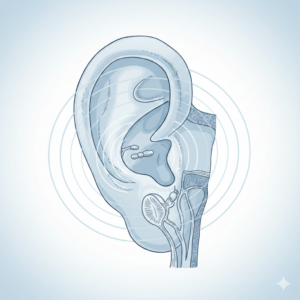
2025-12-09Tinnitus is the perception of ringing, buzzing, or noise in the ears without an external sound source.While stress can worsen symptoms, it is rarely the only cause. Illustration of auditory nerve activity often associated with tinnitus. Tinnitus is the perception of ringing, buzzing, or noise in the ears without an external sound source.While stress can worsen symptoms, it is rarely the only cause. Understanding the real causes of tinnitus is essential for proper management and for knowing when to seek professional medical evaluation. For years, millions of Americans have been told the same thing about their tinnitus: “It’s just stress — try to relax.” But if that were true, the ringing would stop once you calmed down. It doesn’t. In fact, tinnitus affects nearly 1 in 3 Americans over 50, and new findings show that stress is only a surface-level trigger — not the real source of the problem. Recent research suggests that tinnitus may start much deeper:inside the auditory nerves, the inflammatory pathways, and the microcirculation that feeds the inner ear. This means something big:👉 If the root cause isn’t stress, then the solution also isn’t just meditation, white noise, or “learning to live with it.” Let’s break down what science is uncovering — and what real people are doing to finally get relief. What Modern Research Says: Tinnitus Starts in the Auditory Nerves — Not in the Mind Tinnitus used to be labeled a “psychological response.”Now we know that’s outdated. Studies on neuro-auditory function show three core biological triggers: 1. Micro-inflammation in the auditory pathways Inflammation disrupts how the ear and brain communicate.When signals get misfired, the brain interprets the missing frequency as ringing, buzzing or hissing. This explains why tinnitus often appears with age or after an illness — inflammation builds silently. 2. Reduced blood flow to the inner ear The cochlea needs a constant micro-circulation of oxygen and nutrients.When circulation slows, the delicate hair cells stop functioning properly. 👉 This is why some people notice tinnitus more when lying down at night:Blood pressure and circulation fluctuate. 3. Nerve damage from toxins, noise, or aging The auditory nerve can become overstimulated or damaged, sending “phantom signals” to the brain. This leads to persistent noise even in complete silence. So No — It’s NOT Just Stress Stress may trigger tinnitus or make it louder, but it does not create the condition alone. That’s why methods like: sound machines breathing exercises antidepressants sleep pills …rarely give real relief. They treat the experience, not the origin. People want real solutions — not coping mechanisms. The Approach That’s Getting Attention: Nutri-Auditory Support Because tinnitus involves inflammation, circulation, and nerve signaling, researchers are studying natural compounds that target all three. This is why many Americans are turning to nutritional formulations designed specifically for tinnitus, with ingredients such as: hawthorn & hibiscus (micro-circulation) motherwort (stress-induced vascular tension) garlic & juniper berry (inflammation) B vitamins (nerve protection) One of the products gaining the most real-world traction right now is: 👉 Quietum Plus A natural formula designed to support auditory nerves and inner-ear function. Users report improvements in: ringing intensity buzzing at night overall quietness sleep quality mental clarity Click Here to Access Quietum Plus and See Today’s Exclusive Offers Signs Your Tinnitus Has a Biological Root (Not Stress) If you experience any of the following, the cause is likely physiological: ringing increases at night buzzing changes when you move your jaw noise gets louder after caffeine or alcohol it’s worse when you’re sick or congested one ear is louder than the other tinnitus appeared after noise exposure you are over 40 These are classic indicators of nerve and inner-ear pathways, not “mental tension.” What You Can Do Starting Today 1. Reduce inflammation triggers Avoid: excessive sugar alcohol smoking constant headphone use 2. Improve auditory blood flow Walking 15–20 minutes a day already helps. 3. Support the auditory nerves This is where formulations like Quietum Plus become especially effective.. Get Quietum Plus Today Try Quietum Plus today and support the biological pathways behind tinnitus. Final Thoughts: Relief Is Possible — When You Target the Actual Cause Tinnitus may feel hopeless, but the science is moving fast.The key is understanding one thing: 👉 It’s not “in your head.” It’s in your auditory system.And when you address inflammation, circulation, and nerve health, many people finally notice the noise fading. […] Read more…
2025-12-03Introduction Electricity prices keep climbing, and households everywhere are searching for affordable alternatives. The Energy Revolution System (Promise V5 IMP) claims to be a DIY breakthrough that can reduce your monthly bills by up to 80%. Let’s explore whether this system is worth your attention. 🌍 What Is the Energy Revolution System? The Energy Revolution System is a digital blueprint that teaches you how to build a small-scale energy device at home. Inspired by Nikola Tesla’s ideas, it’s designed to be simple, cost-effective, and practical. DIY-friendly: No advanced technical skills required. Low cost: Estimated build cost under $100 with common parts. Flexible: Can be adapted to different household needs. ✅ Pros Potential savings of up to 80% on electricity bills. Affordable compared to solar panels or wind turbines. Independence from unstable or expensive power grids. Perfect for DIY enthusiasts. ⚠️ Cons Requires manual assembly and basic electrical knowledge. Results vary depending on execution and household energy use. Not a certified renewable energy system – more experimental. 🎯 Who Should Try It? Homeowners looking to cut costs without huge upfront investments. DIY hobbyists interested in alternative energy projects. People living in areas with unreliable or expensive electricity supply. 📌 Final Verdict The Energy Revolution System isn’t a miracle solution, but it offers a fascinating and potentially cost-saving alternative for those willing to build their own energy device. If you’re curious about energy independence and want to experiment with a low-cost project, this blueprint could be worth exploring. 🔗 Ready to Get Started? 👉 Click here to access the Energy Revolution System through my affiliate link: Get the Energy Revolution System Now […] Read more…
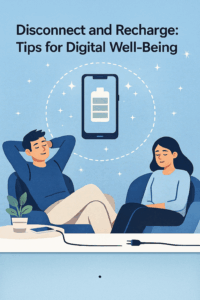
2025-12-01Modern life expects us to be always reachable. That constant connection can quietly eat up attention, increase stress, and make it harder to relax. Disconnecting doesn’t mean quitting the internet — it means choosing when and how to use it so technology serves you, not the other way around. Here are practical, low-effort strategies to regain control over your attention and feel a little more calm each day. 1. Start with small, visible boundaries You don’t need dramatic rules. Try simple limits first: Designate a 30–60 minute “no-screen” window after dinner. Turn off non-essential notifications (social apps, news alerts). Keep your phone in another room while you eat or during focused work. Small, consistent boundaries reduce the mental clutter that builds up over a day. 2. Schedule deliberate “check” times Instead of reacting to every ping, set times to check messages and feeds — for example, mid-morning, after lunch, and late afternoon. Batch processing communications reduces task switching and keeps your attention on the moment. 3. Replace scrolling with short rituals When you feel the urge to open your phone out of habit, have a quick alternative ready: Stand and stretch for 60 seconds. Make a glass of water. Do three deep breaths or a one-minute mindful pause. These tiny rituals interrupt the reflex to scroll and give your brain a reset. 4. Use tech to help (yes, paradoxically) Set app timers, enable “Do Not Disturb” while you work, or use a focus mode that mutes distractions. Digital well-being tools exist to make self-discipline easier — use them to structure your freedom. 5. Protect morning and evening routines The first and last hour of the day shape momentum and rest. Try to: Avoid screens for the first 30 minutes after waking. Skip screens 60 minutes before bed to improve sleep quality. These small changes quickly improve mood and energy. 6. Be realistic and flexible Digital habits are social — friends, family, and work expect responses. Communicate simple rules (e.g., “I check messages at 11:00 and 17:00”) so others know when you’ll be available. Flexibility keeps the system sustainable. Final thought Disconnecting isn’t about perfection; it’s about making choices that protect your attention and reserve energy for what matters. Start with one small rule this week, keep it for a few days, and see how it changes your sense of calm. Explore more in Health & Well-Being […] Read more…
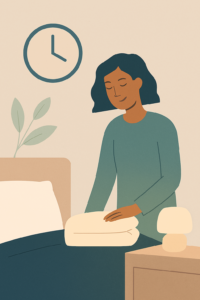
2025-12-01Sleep problems are much more common than they seem. Most people think they sleep “okay,” but when asked how they feel during the day, the answers show something different: low energy, irritability, slow thinking, and a constant need for caffeine. Modern life has quietly shortened and fragmented our nights, and the result is a level of tiredness that people consider “normal” — but it isn’t. Why We Sleep Worse Today 1. Too much light at night Screens keep the brain awake longer than we think. Blue light delays melatonin, the hormone that signals that it’s time to sleep. 2. Irregular schedules Going to bed at different times confuses the biological clock. Even a one-hour difference can make you feel unbalanced the next day. 3. Overactivation Notifications, unfinished tasks, and mental overload keep the brain in “alert mode,” making it hard to relax even when lying down. 4. Hidden sleep debt You might think 6 hours is enough — but research shows that most adults need between 7 and 9 hours to function properly. How to Start Sleeping Better This Week 1. Light discipline Turn off screens 60 minutes before bed.If that’s hard, use Night Shift or Blue Light Filter — it’s far from perfect, but better than nothing. 2. A fixed bedtime Choose a realistic time (one you can keep even on weekends).Your brain loves rhythm. 3. Create a shutdown ritual A simple routine works: Hot shower Dim lights Light reading No stimulating topics Your body will learn the pattern. 4. Avoid fake energy boosters Coffee, energy drinks, and sugary snacks only mask the problem.If you need caffeine to feel “normal,” you’re probably sleep-deprived. The First Sign You’re Improving You’ll notice it in the morning.Not waking up “exploding with energy” — that’s a myth — but waking up without that heavy fog and without feeling you could sleep for three more hours. That’s real progress. When to Seek Help If you consistently: Wake up multiple times Snore heavily Have trouble breathing at night Feel exhausted even after 8 hours then talking to a specialist is important. Sleep apnea and other disorders are common and often go undiagnosed. A Simple Rule to Remember Better sleep is not about perfection.It’s about removing the small things that secretly steal your rest. Small corrections, repeated daily, rebuild your nights — and your energy. […] Read more…
2025-12-01Feeling tired isn’t always about big problems — often, it’s the result of small daily habits that drain your energy more than you realize.The good news: you don’t need extreme routines, supplements, or dramatic lifestyle changes to feel better. A few practical adjustments can make a real difference. Below are science-supported insights that help you maintain steady, reliable energy throughout the day. 1. Start With Your Sleep “Inputs,” Not Your Sleep Hours Most people focus on sleep quantity, but research shows that predictability and sleep quality triggers matter more.A few things that improve energy the next day: Going to bed and waking up at roughly the same time Avoiding heavy meals 2–3 hours before sleep Keeping the bedroom dark, cool, and quiet Reducing bright screens 30–45 minutes before bed These simple inputs help your body stay aligned with its natural rhythm — which directly improves morning energy. 2. Stabilize Your First Hour of the Day Your morning habits either set your energy or kill it. Helpful practices: Drink water soon after waking Get 5–10 minutes of natural light Avoid social media or stressful notifications early Eat something light if you feel shaky or unfocused These steps help regulate cortisol naturally, which leads to a more stable energy curve throughout the day. 3. Manage “Invisible Fatigue” Triggers Some things drain energy without you noticing. Examples: Long periods sitting still Constant multitasking Noise or background stress Overuse of coffee after noon Small counter-measures work well: Stand up every 45–60 minutes Focus on one task at a time Take micro-breaks, even 90 seconds Keep caffeine earlier in the day These micro-adjustments prevent the slow energy crash many people experience in the afternoon. 4. Eat for Steady Energy, Not Quick Peaks Instead of thinking in terms of calories or strict diets, think in energy flow: Include protein in most meals Add fiber (vegetables, fruits, whole grains) Favor foods that digest slowly Avoid skipping meals if you feel light-headed This helps avoid the spike-and-crash cycle familiar to anyone who relies on sugar or fast snacks for energy. 5. Move Your Body, Even if It’s Just a Little You don’t need intense workouts to improve energy.Short daily movement improves oxygen flow, circulation, and mood. Examples that work well: A 10-minute walk after lunch Light stretching Body-weight movements at home Slow outdoor exercises Consistency matters more than intensity. 6. When Low Energy Might Mean Something Else Occasionally, persistent fatigue can signal something deeper: Thyroid issues Anemia Chronic stress Sleep apnea Nutrient deficiencies If low energy continues despite lifestyle changes, it’s a good idea to speak with a healthcare professional to rule out underlying causes. Final Thoughts Improving daily energy isn’t about radical solutions.It’s about removing the obstacles that drain you and reinforcing the small habits that support your body’s natural rhythm. Start with one or two changes, stay consistent, and observe how your energy shifts. Over time, these small adjustments add up to a more stable, productive, and balanced day. […] Read more…
2025-11-18Understanding Low Testosterone Testosterone is a vital hormone responsible for maintaining muscle mass, bone density, red blood cell production, and sexual function in men. When testosterone levels fall below normal, it can lead to a variety of physical, emotional, and cognitive symptoms that significantly affect quality of life. Common Causes of Low Testosterone Aging: Testosterone naturally decreases about 1% per year after age 30. Obesity: Excess fat increases estrogen levels, reducing testosterone production. Chronic illnesses: Conditions such as diabetes or liver disease can lower hormone levels. Medications: Certain drugs, including opioids and steroids, can suppress testosterone. Stress and poor sleep: Cortisol, the stress hormone, interferes with testosterone synthesis. Symptoms and Signs Men experiencing low testosterone may notice both physical and psychological changes. These can include: Reduced sex drive and erectile dysfunction Fatigue and lack of motivation Loss of muscle mass and strength Increased body fat Depression, irritability, or mood swings Difficulty concentrating and memory problems Health Consequences of Low Testosterone Chronic testosterone deficiency isn’t just about libido — it’s linked to serious long-term health issues. Studies have shown that persistently low testosterone levels can increase the risk of: Cardiovascular disease Osteoporosis and bone fractures Metabolic syndrome Insulin resistance and type 2 diabetes Treatment and Lifestyle Options Depending on the underlying cause, treatment may involve hormone replacement therapy (TRT), but lifestyle changes can also play a big role. Regular exercise, maintaining a healthy weight, reducing stress, and improving sleep quality can help naturally boost testosterone levels. In clinically confirmed cases, testosterone replacement therapy may be considered under medical supervision. Final Thoughts Low testosterone is a common but often overlooked condition. If you experience persistent fatigue, low libido, or mood changes, consult a healthcare professional for proper evaluation. Restoring hormonal balance can lead to a healthier, more energetic life. […] Read more…
2025-11-13🧭 Introduction For years, you’ve probably heard that it takes 21 days to form a new habit — a simple, catchy number that promises quick transformation.But what if that’s not true? Recent scientific research shows that habit formation is far more complex — and it doesn’t take 21 days, but closer to 66 days. Let’s explore why this matters, where the 21-day myth came from, and what you can do to build habits that actually last. 🧩 The Origin of the 21-Day Myth The “21-day rule” traces back to Dr. Maxwell Maltz, a plastic surgeon who, in the 1960s, noticed his patients took about 21 days to get used to their new appearance.He wrote about this observation in his book Psycho-Cybernetics, and over time, people started repeating it as a universal rule — even though Maltz never claimed it was scientific. This idea spread quickly through self-help books and motivational content, becoming one of the most persistent myths in personal development. 🔬 What Science Really Says: The 66-Day Rule In 2009, researchers at University College London (UCL) conducted a study led by Dr. Phillippa Lally, examining how long it actually takes to form a new habit.Their results?On average, it took 66 days for a behavior to become automatic — but the range varied greatly: from 18 to 254 days, depending on the person, the habit, and the context. So the truth is: habit formation isn’t fixed.Some habits stick quickly (like drinking water in the morning), while others (like exercising daily) can take months. ⚙️ Why 66 Days Makes More Sense The brain needs repetition and consistency to rewire itself. This process, called neuroplasticity, strengthens new neural pathways until the behavior becomes second nature. The 66-day timeframe represents a realistic average — long enough to reinforce behavior but short enough to feel achievable.It’s not about perfection every day, but about showing up consistently. 💡 How to Build Lasting Habits (According to Science) Start small: Begin with tiny, manageable actions — for example, doing 5 minutes of stretching, not 1 hour of workout. Be consistent: Repetition is key. Missing a day or two doesn’t reset progress, but consistency matters more than intensity. Link habits: Attach a new habit to an existing routine — like meditating after brushing your teeth. Track your progress: Visual feedback boosts motivation. Be patient: Remember — meaningful habits take time, not magic numbers. 🔁 The Mindset Shift Once you accept that building habits takes around 66 days — not 21 — you can stop feeling frustrated when change doesn’t happen overnight.Real progress is slow, steady, and science-backed. So instead of rushing, give your brain the time it needs.Because lasting change isn’t about speed — it’s about consistency and self-compassion. […] Read more…
2025-11-06Erectile challenges, or difficulties in achieving or maintaining an erection sufficient for sexual activity, are relatively common among men of all ages. These challenges often involve a combination of physical, psychological, and lifestyle factors. Understanding these influences can help individuals make informed choices about overall health and wellness. This guide provides a neutral overview of factors that may contribute to erectile challenges and general habits that are often associated with well-being. Illustration showing factors commonly associated with erectile dysfunction. What Are Erectile Challenges? Erectile challenges refer to recurring difficulty maintaining an erection firm enough for sexual activity. These changes can occur at any age and are influenced by a variety of factors, including general health, stress levels, hormonal balance, and lifestyle habits. Psychological elements — such as anxiety, performance pressure, or emotional strain — may also affect sexual function. Common Factors That May Influence Erectile Function While every individual is different, several general factors can influence sexual wellness: Circulation and Vascular HealthHealthy blood flow plays an important role in sexual function and overall vitality. Circulation is closely connected to hormonal signaling, oxygen delivery, and daily energy levels. Readers interested in a broader physiological overview may explore how blood flow, hormones, and energy are connected in men’s health. Hormonal BalanceHormonal balance can influence energy, mood, and motivation. Some readers interested in hormone-related wellness discussions may also explore an educational overview of a men’s vitality supplement focused on daily routines and long-term balance. Emotional and Mental Well-BeingStress, anxiety, and self-confidence can affect daily life and sexual experiences. Emotional tension can sometimes interfere with arousal and sexual performance. Lifestyle HabitsSleep, nutrition, physical activity, and daily routines are central to general health and may indirectly relate to sexual wellness. Substance UseAlcohol, smoking, and recreational substances can affect energy levels and overall health. These factors often interact, and small changes in lifestyle habits may contribute to broader wellness outcomes. Effects vary widely between individuals. When to Seek Professional Guidance If sexual challenges are persistent or affect confidence or quality of life, consulting a qualified healthcare professional can provide personalized guidance. Healthcare providers can help identify patterns related to lifestyle, health habits, or emotional well-being and determine whether further evaluation is appropriate. Lifestyle Factors Often Associated with Wellness While no single approach works for everyone, adopting healthier daily habits often supports While no single approach works for everyone, adopting healthier daily habits may support overall well-being. Evidence suggests potential benefits from: Regular physical activity to support circulation and energy levels Balanced nutrition, including whole foods Healthy sleep routines for hormonal and energy balance Stress management techniques such as mindfulness or relaxation practices Moderation in alcohol consumption and avoiding smoking Maintaining a healthy weight Supporting emotional health, including counseling or therapy if appropriate These habits contribute to general wellness and may influence daily quality of life. Some individuals choose to explore additional informational content related to general male vitality and daily wellness routines. You may read an independent informational overview of a male wellness supplement here. Final Thoughts Erectile challenges are common and usually influenced by multiple factors. Understanding these factors and focusing on general health habits can help individuals make informed choices about their well-being. Outcomes vary widely, and there is no guarantee that lifestyle adjustments will directly improve sexual function. Medical Disclaimer This article is for informational purposes only. It does not provide medical advice, diagnosis, or treatment. Always consult a qualified healthcare professional for guidance regarding sexual health or other medical concerns. © 2025 Last Pieces Blog — Health & Wellness Insights […] Read more…
2025-11-06🌙 Introduction Menopause is a natural and inevitable phase of every woman’s life — but it’s often misunderstood or even feared. Beyond being the end of fertility, menopause marks the beginning of a new stage filled with wisdom, transformation, and self-discovery. In this article, we’ll explore what menopause really is, how to cope with its symptoms, and how lifestyle changes — along with the right support — can make this transition smoother and more empowering. 💡 What Is Menopause? Menopause occurs when a woman hasn’t had a menstrual period for 12 consecutive months. It usually happens between the ages of 45 and 55, though it can occur earlier or later. This transition is caused by a natural decline in estrogen and progesterone — hormones that play major roles in regulating mood, metabolism, and many other bodily functions. 🔥 Common Symptoms and Challenges Every woman experiences menopause differently, but the most common symptoms include: Hot flashes and night sweats Mood swings, anxiety, or irritability Sleep problems and fatigue Weight gain or slowed metabolism Dry skin and hair changes Decreased libido While these symptoms can be uncomfortable, understanding their causes makes them much easier to manage. 🌿 Practical Ways to Cope with Menopause 1. Adopt a Healthy Lifestyle Eat a balanced diet rich in whole foods, fruits, vegetables, and omega-3 fats. Stay active — combine cardio with strength training to boost metabolism and mood. Get quality sleep; establish a bedtime routine and avoid caffeine late in the day. Avoid triggers that worsen hot flashes: spicy foods, alcohol, and stress. 2. Focus on Emotional Well-being Talk about your experiences — sharing helps reduce stress and feelings of isolation. Practice mindfulness, meditation, or journaling. Seek therapy or join a support group if emotional changes feel overwhelming. 3. Consider Natural or Medical Support Some women benefit from hormone therapy — always consult your doctor. Explore natural supplements and lifestyle-based solutions. Choose trusted, research-backed products that align with your body’s needs. Some women find additional relief by combining lifestyle changes with carefully selected, research-backed supplements designed to support hormonal balance and overall well-being during menopause. If you’re looking for a natural option that focuses on symptom relief, hormonal support, and daily comfort, you can learn more about a menopause support supplement here. Further Reading & Support Menopause is a complex transition that affects physical, emotional, and mental well-being. For a deeper understanding of how lifestyle habits, stress management, and daily routines can support hormonal balance during this phase, explore our related content: How Lifestyle Habits Impact Long-Term Well-Being Building Sustainable Routines During Life Transitions Managing Energy and Sleep Changes Naturally These articles expand on the concepts discussed here and offer practical, non-invasive strategies to navigate this stage with clarity and confidence. Disclosure This article may contain affiliate links. This means we may earn a commission at no extra cost to you if you choose to make a purchase through these links. 🌺 Conclusion Menopause isn’t the end — it’s the beginning of a new, empowered stage of womanhood. It’s a chance to rediscover your body, prioritize your health, and nurture your emotional well-being. At Last Pieces, we believe that every transition is an opportunity for renewal — and menopause is one of the most powerful. Embrace it, learn from it, and let it guide you toward a more balanced and confident version of yourself. […] Read more…
2025-11-05OverviewEnergy levels, mood stability, cognitive clarity, and metabolic balance are influenced by a complex interaction of hormonal and lifestyle factors. For many women, the thyroid plays a central role in regulating these systems. Thyrafemme Balance is a nutritional supplement formulated to support thyroid function and overall hormonal balance using a combination of vitamins, minerals, and botanical ingredients. This review explores what Thyrafemme Balance is, how it is structured, and who may consider exploring this type of nutritional support. What Is Thyrafemme Balance? Thyrafemme Balance is a dietary supplement developed specifically for women, with a focus on nutrients commonly associated with thyroid hormone production, stress regulation, and metabolic support. The formula does not position itself as a medical treatment or hormonal therapy. Instead, it is presented as nutritional support designed to complement healthy lifestyle habits. Some readers choose to explore Thyrafemme Balance as part of their approach to supporting thyroid and metabolic health. How Thyrafemme Balance Is Structured 1. Thyroid-Supportive Nutrients The formulation includes ingredients commonly discussed in thyroid and metabolic health research: Iodine: contributes to thyroid hormone synthesis Selenium & L-Tyrosine: involved in hormone conversion and metabolic signaling 2. Adaptogenic and Stress-Related Support Ashwagandha: traditionally used to support stress response and adrenal balance 3. Digestive and Nutrient Absorption Components Probiotics: included to support gut health, which plays a role in nutrient utilization and hormonal regulation The supplement is delivered in capsule form and designed for daily use as part of a consistent routine. The Core Concept Behind Thyrafemme Balance Rather than attempting to “fix” hormonal issues, Thyrafemme Balance focuses on supporting the biological systems involved in thyroid and metabolic balance, including: Nutrient availability for hormone production Stress-related hormonal signaling Digestive efficiency and absorption This approach aligns with broader wellness strategies that emphasize long-term consistency rather than rapid results. What Thyrafemme Balance Is — and Is Not Thyrafemme Balance is: A nutritional supplement Designed to support thyroid-related pathways Intended to complement healthy habits Thyrafemme Balance is not: A medical treatment A cure for thyroid disorders A replacement for professional medical care Women with diagnosed thyroid conditions should consult a qualified healthcare professional before using supplements. Who May Consider This Type of Supplement? Thyrafemme Balance may appeal to women who: Are interested in nutritional support for thyroid health Prefer non-pharmaceutical approaches Are already focusing on diet, sleep, and stress management Want a structured supplement rather than individual nutrients Individual responses vary, and results depend on overall health context and consistency. Ease of Use and Accessibility The supplement is taken orally and can be integrated easily into an existing daily routine. It is available online and typically offered as a one-time purchase, with refund policies varying by vendor. Editorial Perspective From an editorial standpoint, Thyrafemme Balance fits within the broader category of thyroid-focused nutritional support for women. It does not introduce novel mechanisms, but it packages commonly discussed nutrients into a single, structured formulation. For readers already engaged in improving hormonal and metabolic health through lifestyle adjustments, this type of supplement may be worth exploring as a complementary option. Final Thoughts Thyroid health is multifactorial, influenced by nutrition, stress, sleep, and overall metabolic balance. Thyrafemme Balance offers an educational, supplement-based approach for women interested in supporting these systems over time. As with any nutrition-focused product, outcomes vary, and informed expectations are essential. Suggested Next Reads How Hormones Influence Energy, Mood, and Metabolism in Women Foundations of Metabolic Health: Small Habits That Matter Long Term Stress, Sleep, and Hormonal Balance: How They Interact Disclosure Some readers choose to explore Thyrafemme Balance through affiliate links. This does not affect the editorial independence of this review. Visit the official Thyrafemme Balance website Transparency & Affiliate Disclosure This article may contain affiliate links. If you choose to visit the official Thyrafemme Balance website through these links, the site may earn a commission at no additional cost to you. Content is provided for informational purposes only and does not constitute medical advice. […] Read more…
2025-11-04Hello, fellow journey-takers! Have you ever started a new habit with the best intentions, only to find yourself falling off track a few days or weeks later? You’re not alone. Building lasting habits can feel like an uphill battle, but it doesn’t have to be. At Last Pieces of the Day, we believe that small, consistent actions are the “last pieces” that complete your personal growth puzzle. Today, we’re diving into the science and strategy behind creating habits that don’t just start, but actually last. The Power of Small Beginnings One of the biggest mistakes we make is trying to change too much, too fast. Think of building a habit like building a muscle – you start with light weights, not the heaviest. Instead of aiming for a monumental shift, break your desired habit into the smallest possible action. Want to read more? Don’t aim for an hour a day. Start with 5 minutes. Want to exercise? Start with 10 push-ups, or even just putting on your workout clothes. Key Takeaway: Make it so easy that it feels almost ridiculous not to do it. Identify Your Triggers and Cues Every habit has a trigger – something that tells your brain, “It’s time to do X.” Understanding these cues is crucial. Are you trying to drink more water? Maybe the cue is finishing your morning coffee, or walking into the kitchen. Before: What event or time reliably happens just before you want to perform your new habit? Location: Is there a specific place where this habit makes sense? Emotion: Are there certain feelings that can serve as a trigger? By consciously pairing your new habit with an existing, reliable cue, you create a “habit loop” that makes the new behavior feel more natural. The Art of Habit Stacking This powerful technique, popularized by James Clear in “Atomic Habits,” involves linking a new habit to an existing one. It leverages the power of established routines. Formula: “After , I will .” Example 1: “After I finish my morning coffee, I will meditate for 5 minutes.” Example 2: “After I brush my teeth, I will do 10 squats.” Example 3: “After I get into bed, I will read one page of my book.” This method creates an immediate cue for your new habit, reducing the mental effort required to start. Reward Yourself (The Right Way) Our brains love rewards. When you successfully perform a new habit, especially in the early stages, give yourself a small, immediate reward. This reinforces the behavior and makes your brain want to repeat it. The reward doesn’t have to be big or unhealthy. It could be: Enjoying your favorite podcast for 10 minutes. Having a guilt-free moment of screen time. A mental “pat on the back” and acknowledging your effort. The key is that the reward comes after the habit, creating a positive feedback loop. Track Your Progress (Visual Momentum) Seeing your progress is incredibly motivating. Whether it’s a simple X on a calendar for each day you complete your habit, a journaling entry, or an app that tracks your streaks, visual feedback reinforces your consistency. Don’t break the chain! Missing one day isn’t the end of the world, but try not to miss two in a row. Get back on track as quickly as possible. This resilience is a habit in itself! Overcoming Roadblocks and Relapses Life happens. You’ll miss a day, or even a week. The most important thing is not to let one slip-up derail your entire effort. Forgive Yourself: Don’t beat yourself up. Recommit: Decide to start again immediately. Analyze: What caused the slip-up? How can you prevent it next time? Adjust your strategy if needed. Remember, every expert was once a beginner who kept going. Further Reading & Educational Context Some readers choose to explore structured programs or books focused on habit formation and behavioral consistency. These resources are often discussed in educational contexts related to motivation, energy management, and behavior change. This article focuses on the principles and research behind habit formation, encouraging readers to evaluate different approaches critically and choose what best aligns with their personal goals. Your Turn! What’s one habit you’re committed to building this week? Share your goals and strategies in the comments below! Let’s support each other on this journey to a more purposeful and productive life. […] Read more…
2025-11-03How to Identify Your Lost Pieces 🧩 What’s Missing in You? How to Identify Your Lost Pieces Have you ever felt like something is missing, even when everything seems “fine”?As if there’s a puzzle piece in your life that hasn’t quite clicked into place? This question — “What’s missing in me?” — isn’t about lack.It’s about discovery. 🔍 1. Recognize the Signs of Silent Emptiness What’s missing isn’t always obvious. Sometimes it shows up as: Lack of excitement, even after achievements Feeling disconnected from yourself Repeating patterns that no longer make sense A desire to change, but no clear direction These aren’t weaknesses. They’re invitations to look inward. 🧠 2. Ask Questions That Stir You Instead of chasing ready-made answers, try asking: What energizes me — and what drains me? What would I do if I weren’t afraid? What parts of myself do I hide from others? What kind of person do I admire — and why? These questions act like flashlights in unexplored corners of your identity. 🧩 3. Identify Your “Missing Pieces” The pieces you’re searching for might be: You don’t need to find them all at once. Just start with one. 🧩 Topic 4: Rebuild Yourself with What You’ve FoundRecommended Tool: Manifestation Code SystemYou’ve already identified your missing pieces — now it’s time to rebuild.The Manifestation Code System is a digital program that helps you transform self-knowledge into action, using mental reprogramming techniques and guided visualization. 🔧 What you will find: Results geared towards emotional clarity and personal fulfillment💡 Why it fits into Last Pieces:This system acts as a bridge between what you have discovered and what you want to build. It transforms reflection into movement — and movement is what rebuilds. Audios to unlock limiting beliefs Visualization techniques to align mind and purpose Practical tools to strengthen self-esteem, focus, and discipline 💬 Conclusion What’s missing in you isn’t a flaw.It’s a call to evolve. Each lost piece is an opportunity to become more whole, more aware, more you. And the most beautiful part?Sometimes, in searching for what’s missing, you discover what’s been there all along — just waiting to be seen. More information. […] Read more…
2023-11-09Hello, wonderful readers! Welcome, welcome, welcome to Last Pieces of the Day! We are absolutely thrilled to finally open our digital doors and embark on this incredible journey of personal growth and purposeful living with all of you. Consider this our official “Hello World!” – the classic first step in any new creation, signifying a beginning, a declaration of presence, and a promise of what’s to come. And what’s to come, we hope, is a rich tapestry of insights, tools, and inspiration to help you piece together your own unique puzzle of a fulfilling life. What is Last Pieces of the Day all About? In a world that constantly bombards us with information and demands, it’s easy to feel fragmented, lost, or simply overwhelmed. Our mission here is to help you find those “last pieces” – the crucial insights, the practical habits, the shifts in perspective – that complete your personal growth picture. Think of it as your go-to resource for: Mindset Shifts: Unlocking new ways of thinking to overcome challenges. Practical Habits: Simple, actionable steps to integrate into your daily routine for sustained progress. Productivity Hacks: Smarter ways to manage your time and energy. Purposeful Living: Exploring what truly matters to you and aligning your actions with your values. Continuous Learning: Embracing the joy of acquiring new knowledge and skills. We believe that personal growth isn’t about perfection; it’s about persistent, intentional progress. It’s about taking one small, consistent step after another until you look back and realize how far you’ve come. Why “Last Pieces of the Day”? The name itself reflects our philosophy. Just as a puzzle needs every last piece to be complete, our journey of self-improvement requires continuous effort and the integration of new learnings. We aim to provide those valuable insights you might be searching for at the end of a busy day, or the inspiration you need to start a new one with purpose. What Can You Expect? Regular Articles: Deep dives, practical guides, and thought-provoking essays on various aspects of personal development. Actionable Tips: We’re not just about theory; we want to equip you with tools you can use today. Recommendations: To further support your growth, we may recommend products, services, or resources that we genuinely believe in and have found valuable ourselves. Some of these recommendations may include affiliate links, meaning we might earn a small commission at no extra cost to you if you make a purchase through them. This helps support the blog and allows us to continue creating high-quality content. We promise to always be transparent and only suggest what we truly believe will benefit you. Community Engagement: We encourage your thoughts, questions, and shared experiences in the comments. Your journey is unique, but we can all learn from each other. Let’s Begin This Journey Together! We’re incredibly excited to share our passion for personal growth with you. This is just the beginning, and we invite you to explore, learn, and grow with us. Don’t forget to subscribe to our newsletter (link to newsletter signup if available!) so you don’t miss any new “pieces” we share. Thank you for being here, and get ready to start putting together the puzzle of your personal growth! Warmly, The Team at Last Pieces of the Day […] Read more…

How the Content Is Created

Every article published here is based on:

  • Careful research and reading

  • Observation of real-life behavioral patterns

  • A critical review of popular advice and trends

The goal is not to convince — but to clarify.

Readers are encouraged to think critically, evaluate ideas independently, and apply insights thoughtfully.


About This Project

Last Pieces of the Day exists for those who want to improve gradually — without overwhelm, without extremes, and without unrealistic expectations.

Small structural changes, applied consistently, create measurable long-term results.

This project is a reflection on daily decisions — and how they compound over time.


Transparency & Responsibility

Last Pieces of the Day is an informational and educational platform.

Some articles may reference research, books, or products when relevant to the topic discussed. Recommendations are selected carefully and without promotional pressure.

This site does not provide medical advice. Readers are encouraged to consult qualified healthcare professionals before making health-related decisions.

Hi, I’m Marcio.

I created Last Pieces of the Day to explore how habits, health, and structured thinking influence long-term personal growth.

My focus is simple: clarity over noise, structure over hype, and sustainable progress over extreme transformation.